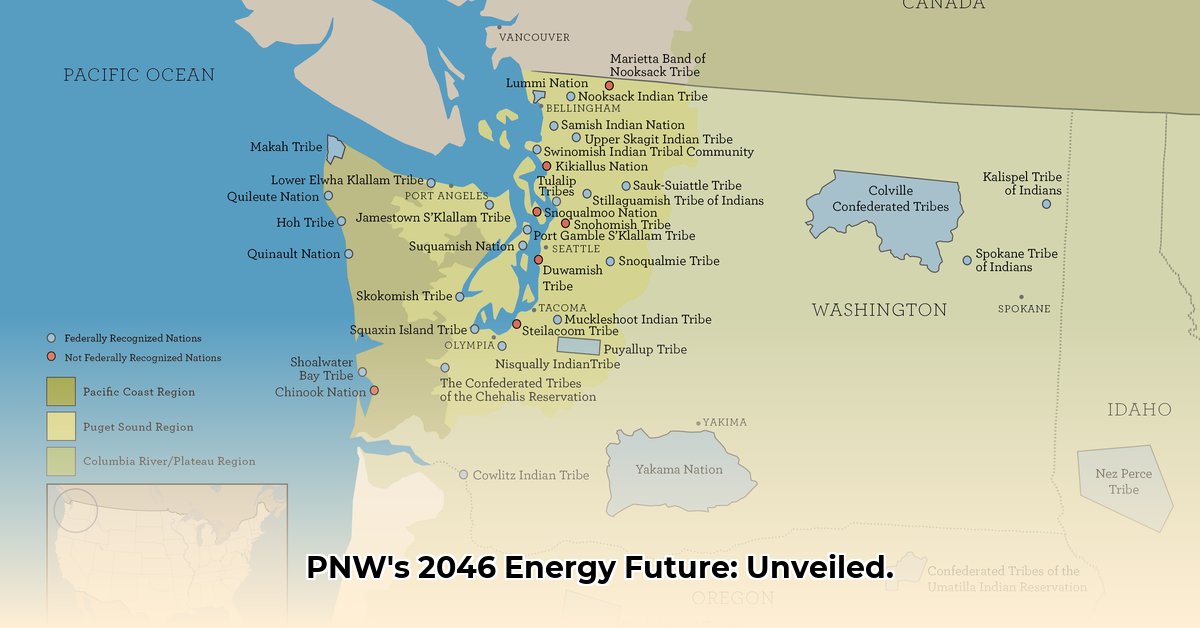
The Pacific Northwest, a region celebrated for its stunning landscapes and progressive values, faces a critical juncture in its energy future. The transition to a clean energy system, while promising, is fraught with complexities. A pivotal report, "Pacific Northwest Regional Energy Plan (PREPP)," offers a roadmap, illuminating both the challenges and opportunities inherent in this ambitious undertaking. This analysis explores the key findings of the PREPP study, highlighting actionable intelligence for stakeholders and charting a course towards a resilient and sustainable energy future. For a visual representation of the region, check out this map of the area.
Navigating the Complexities of Energy Transformation
The Pacific Northwest's energy landscape is a complex tapestry woven from several threads. Our heavy reliance on hydropower, while environmentally beneficial, leaves us vulnerable to the escalating impacts of climate change, including altered precipitation patterns and increased drought frequency. Simultaneously, growing energy demands, driven by population growth and economic activity, exacerbate the pressure on existing infrastructure. Adding to this intricate equation is the ongoing debate surrounding the removal of the Lower Snake River dams, a decision with far-reaching consequences for hydropower generation and the regional energy balance. This intricate interplay necessitates a holistic and collaborative approach to energy planning.
The PREPP Study: A Collaborative Framework for Action
The PREPP study stands as a beacon of collaborative energy planning. Instead of imposing solutions, it meticulously examines various scenarios and provides data-driven insights to inform sound decision-making. This inclusive process engages utility companies, Indigenous tribes, governmental agencies, and other key players, fostering a shared understanding of the challenges and promoting strategies grounded in real-world data. How can we better leverage this collaborative effort to achieve our clean energy goals?
Key Findings and Actionable Steps for Stakeholders
The PREPP study underscores several critical findings. While hydropower remains a cornerstone of the region's energy system, diversification of energy sources is paramount. The increasing frequency and intensity of extreme weather events necessitate a more resilient and adaptable energy grid. To achieve a sustainable energy future, immediate and decisive action is required.
The following table outlines actionable steps for various stakeholders, categorized by short-term (next year) and long-term (3-5 years) goals:
| Stakeholder Group | Immediate Actions (Next Year) | Long-Term Goals (3-5 Years) |
|---|---|---|
| Utilities | Active PREPP participation; Internal infrastructure reviews. | Infrastructure upgrades based on PREPP scenarios; Extreme weather preparedness plans; Exploration of diverse energy options. |
| Federal Government (DOE) | Continued PREPP funding and support; Dissemination of study findings; Promotion of collaboration. | Enhanced renewable energy integration; Investment in grid modernization and resilience research. |
| State Governments (WA, OR, ID, MT) | Inter-state collaboration; Integration of PREPP findings into state energy plans; Supportive regulatory frameworks. | Securing funding for infrastructure; Renewable energy incentives; Monitoring and adjustment based on PREPP data. |
| Tribal Nations | Full PREPP participation; Ensuring representation of tribal perspectives. | Collaboration on decisions impacting traditional lands and resources; Participation in climate change mitigation. |
Mitigating Risks and Ensuring a Smooth Transition
The path toward a clean energy future is not without its challenges. Several key risks must be addressed proactively:
| Risk Category | Likelihood | Potential Impact | Mitigation Strategies |
|---|---|---|---|
| Over-Reliance on Hydropower | Very High | Very Significant | Diversification (wind, solar, geothermal); Modernized grid infrastructure. |
| Extreme Weather Events | Very High | Very Significant | Grid resilience improvements; Infrastructure strengthening; Advanced weather forecasting. |
| Lower Snake River Dam Removal | Moderate | Significant | Comprehensive impact assessment; Development of alternative energy sources. |
| Stakeholder Conflicts | Moderate | Moderate | Open communication; Collaborative decision-making; Establishment of conflict resolution procedures. |
Regulatory Landscape: A Catalyst for Change
Effective regulations are crucial for a successful energy transition. Harmonized federal, state, and tribal regulations can incentivize clean energy adoption while mitigating potential risks. Policy decisions related to funding and energy pricing should accurately reflect the environmental and economic costs and benefits of different energy sources. This requires careful and collaborative policymaking, mirroring the spirit of the PREPP study itself.
Conclusion: A Collaborative Path Forward
The Pacific Northwest's journey toward a clean energy future is challenging yet achievable. By embracing a collaborative spirit, making informed decisions based on data-driven insights, and investing in a resilient energy grid, we can build a sustainable energy system that benefits current and future generations. The PREPP study provides an invaluable framework for this endeavor, highlighting the importance of a shared vision and collective action. While the path forward is complex, the rewards – a clean, resilient, and sustainable energy future for the Pacific Northwest – are undeniably worth the effort.